The aperture setting (f-number) to use is a major decision that professional photographers make when they shoot portraiture. Here are 3 f-numbers that are commonly used for different shooting intentions. Keeping them in mind could help you shoot professional-looking photos! (Reported by: Teppei Kohno)
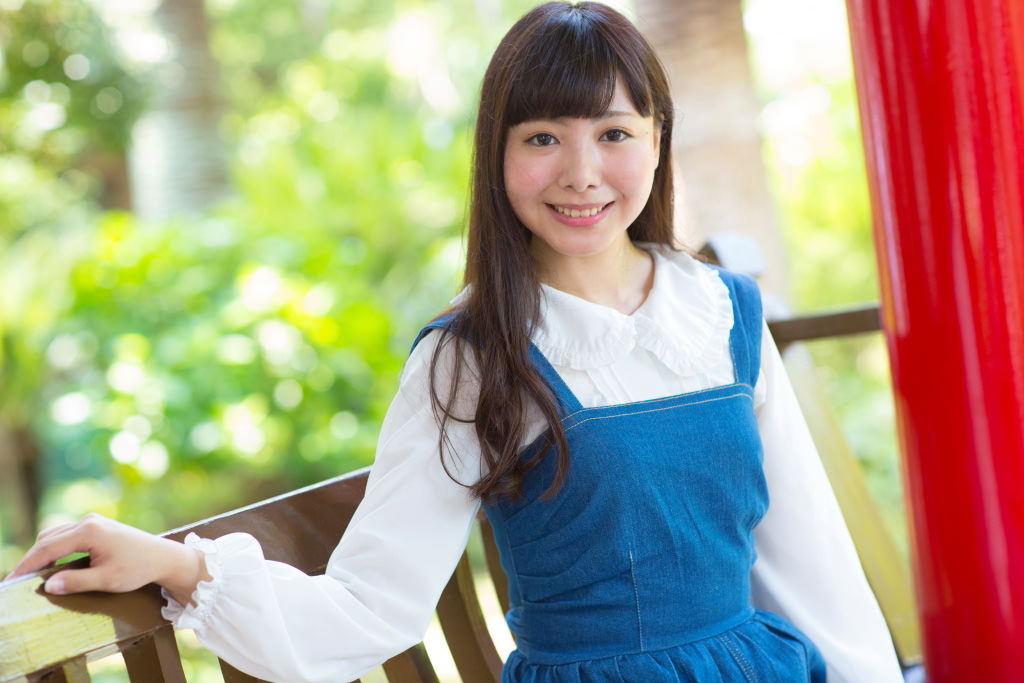
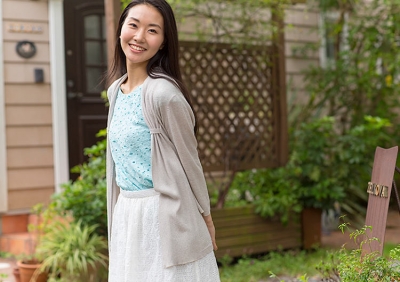
EOS 5D Mark III/ EF85mm f/1.2L USM/ FL: 85mm/ f/2.8/ 1/125 sec/ EV±0/ ISO 320/ WB: Auto
3 useful aperture settings
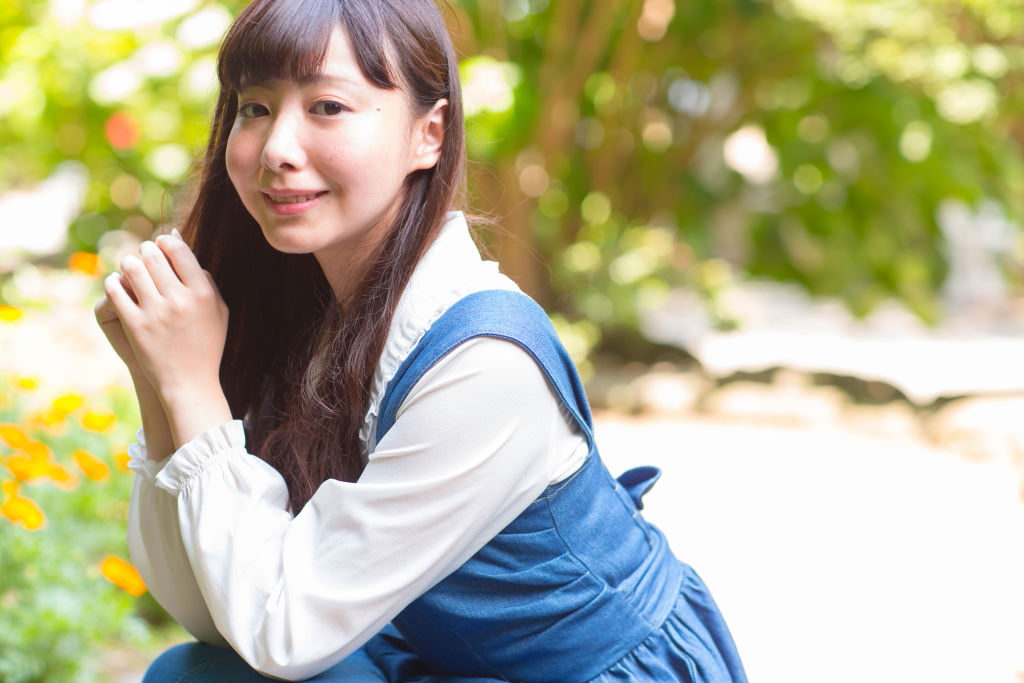
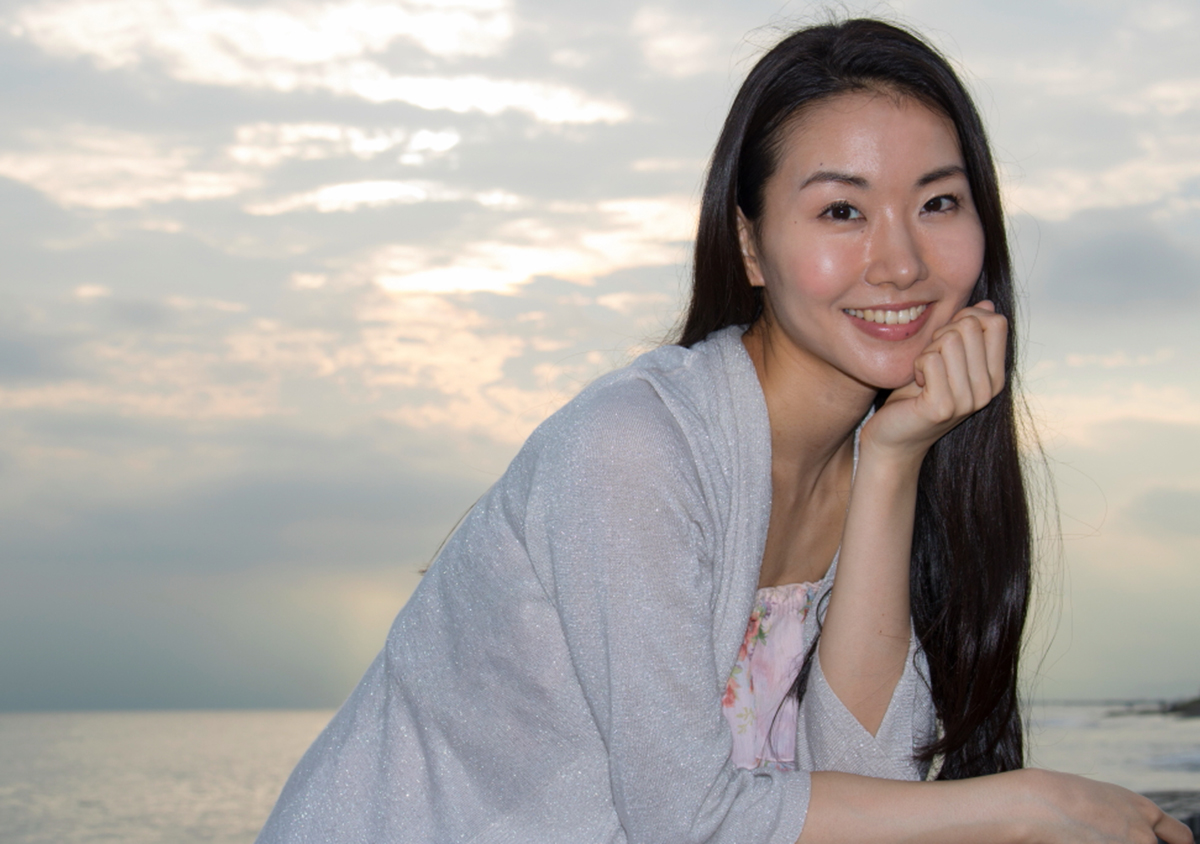
EOS 5D Mark III/ EF85mm f/1.2L USM/ FL: 85mm/ f/2.8/ 1/125 sec/ EV±0/ ISO 200/ WB: Auto
*Shooting Procedure
1: Identify your shooting intention, and decide on the background elements.
2: Determine the focal length of the lens.
3: Set the mode to Aperture-Priority AE.
4: Change the f-number according to your shooting intention.
Background bokeh is an important element to use when photographing people, as opening up the aperture lets you emphasize a person's presence in your photos. However, this creates a larger blur, which may prevent you from capturing the necessary details in some cases.
Here, we introduce three 3 f-numbers that professional photographers commonly use to achieve their intended effects when shooting portrait photography. With these f-numbers as a starting point, you can then fine tune them according to the shooting conditions and your shooting intention.
1. f/2.8 - For a very creamy background bokeh that makes the subject stand out
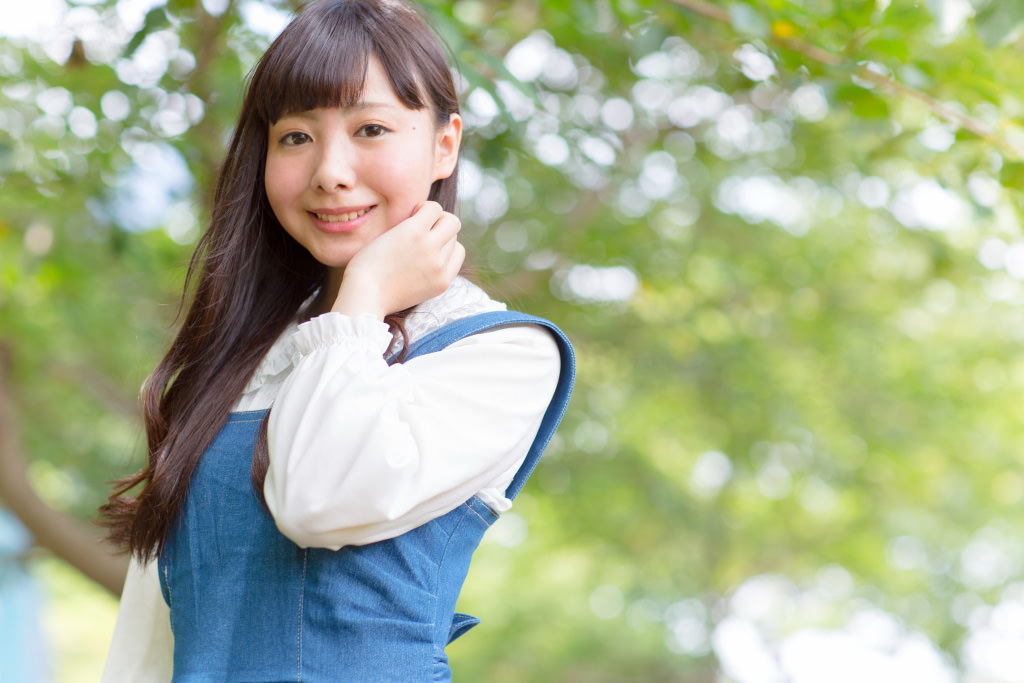
EOS 5D Mark III/ EF85mm f/1.2L USM/ FL: 85mm/ f/2.8/ 1/125 sec/ EV±0/ ISO 100/ WB: Auto
Using f/2.8 makes a person stand out fully, while leaving the background elements blurred. If you are able to use a lens with a small f-number, try starting with f/2.8 as a rough guideline. Bonus tip: It's also a great aperture setting for bringing out facial expressions in close-up shoots.
2. f/5.6 - For a moderate background bokeh effect
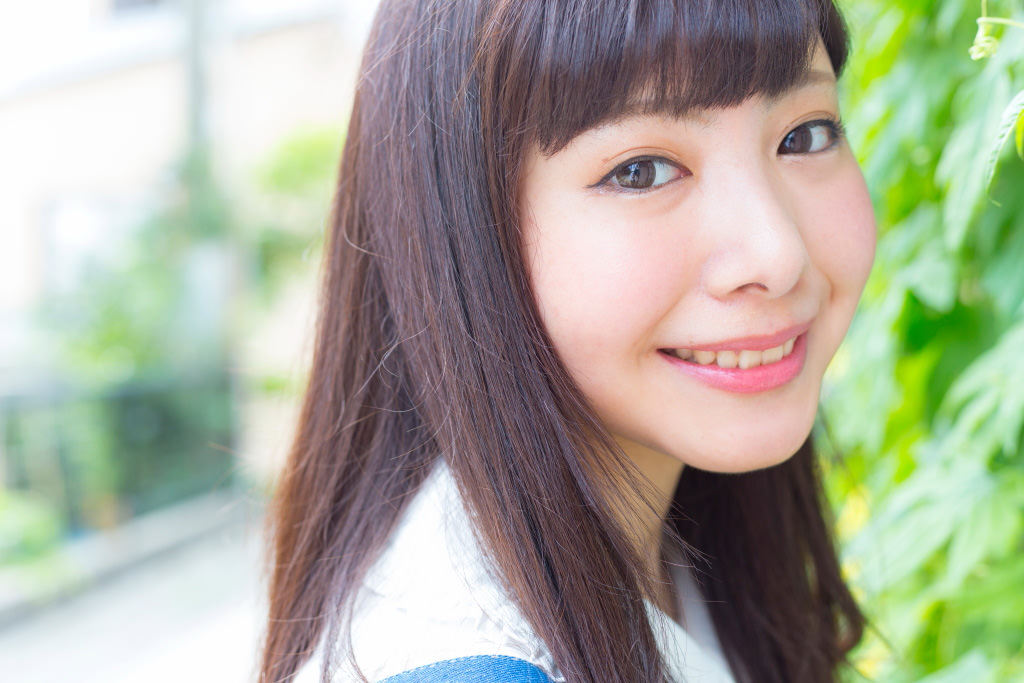
EOS 5D Mark III/ EF50mm f/1.8 STM/ FL: 50mm/ f/5.6/ 1/160 sec/ EV±0/ ISO 250/ WB: Auto
When using the telephoto range of a lens, or in scenes where you are taking shots up close, you may find that f/2.8 creates too strong a bokeh effect. At such times, try using f/5.6.
3. f/11 - For an overall sharp image when deep focusing
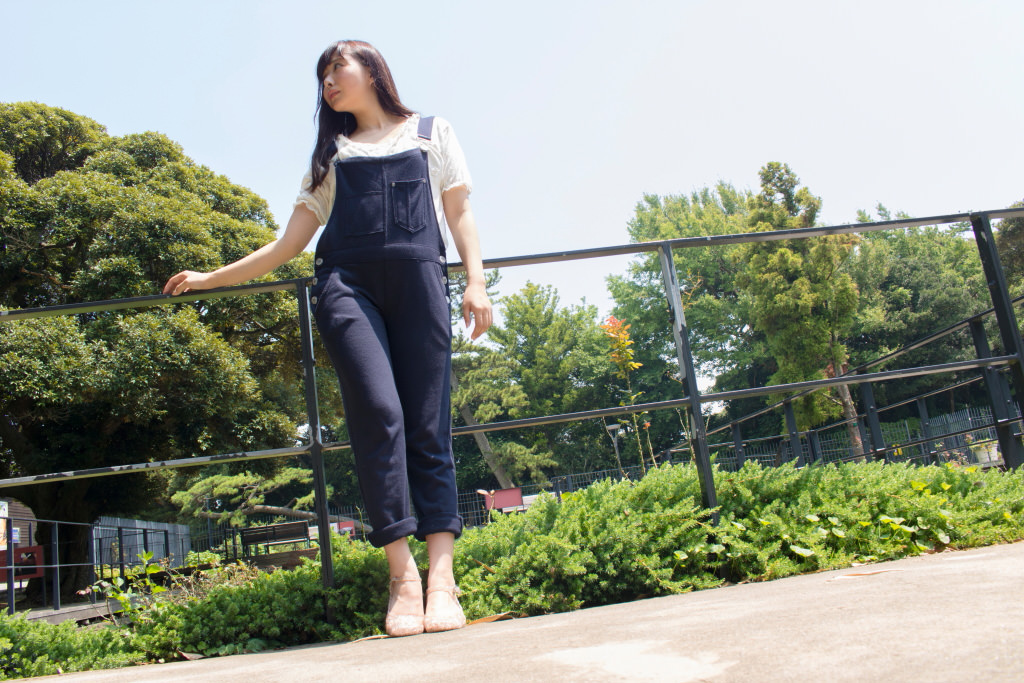
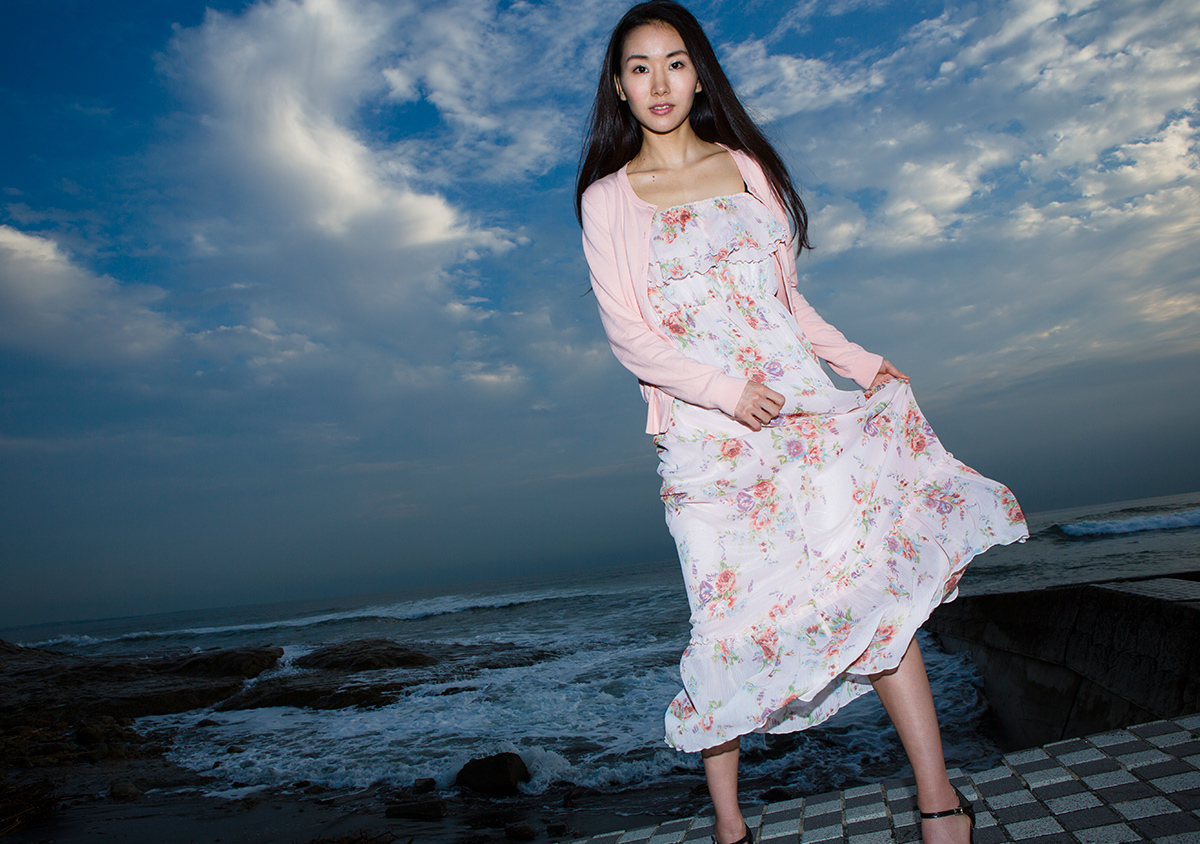
EOS 760D/ EF-S18-55mm f/3.5-5.6 IS STM/ FL: 20mm (12.5mm equivalent)/ f/11/ 1/80 sec/ EV±0/ ISO 100/ WB: Auto
In scenes where you want to include the rest of the scene in the frame, and capture a sharp photo of everything including the background (i.e. carry out deep focusing), try f/8 to f/11. For example, use f/8 as a rule of thumb when you want to ensure that the details of clothing are sharply capturing during a studio fashion shoot.
Tip: 85mm is an often-used focal length for portrait photography
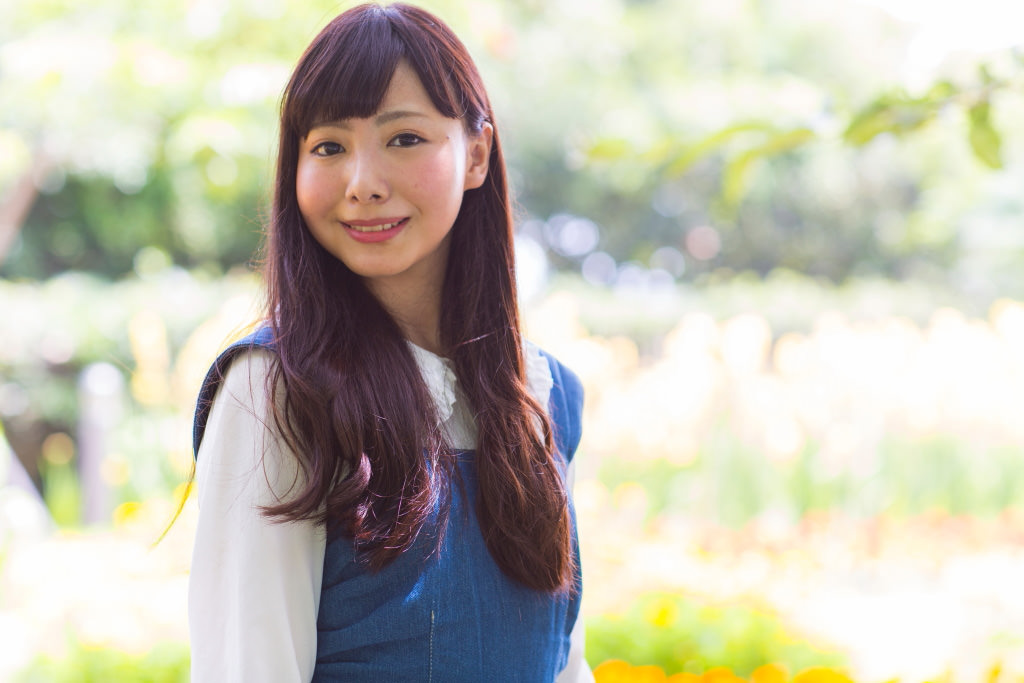
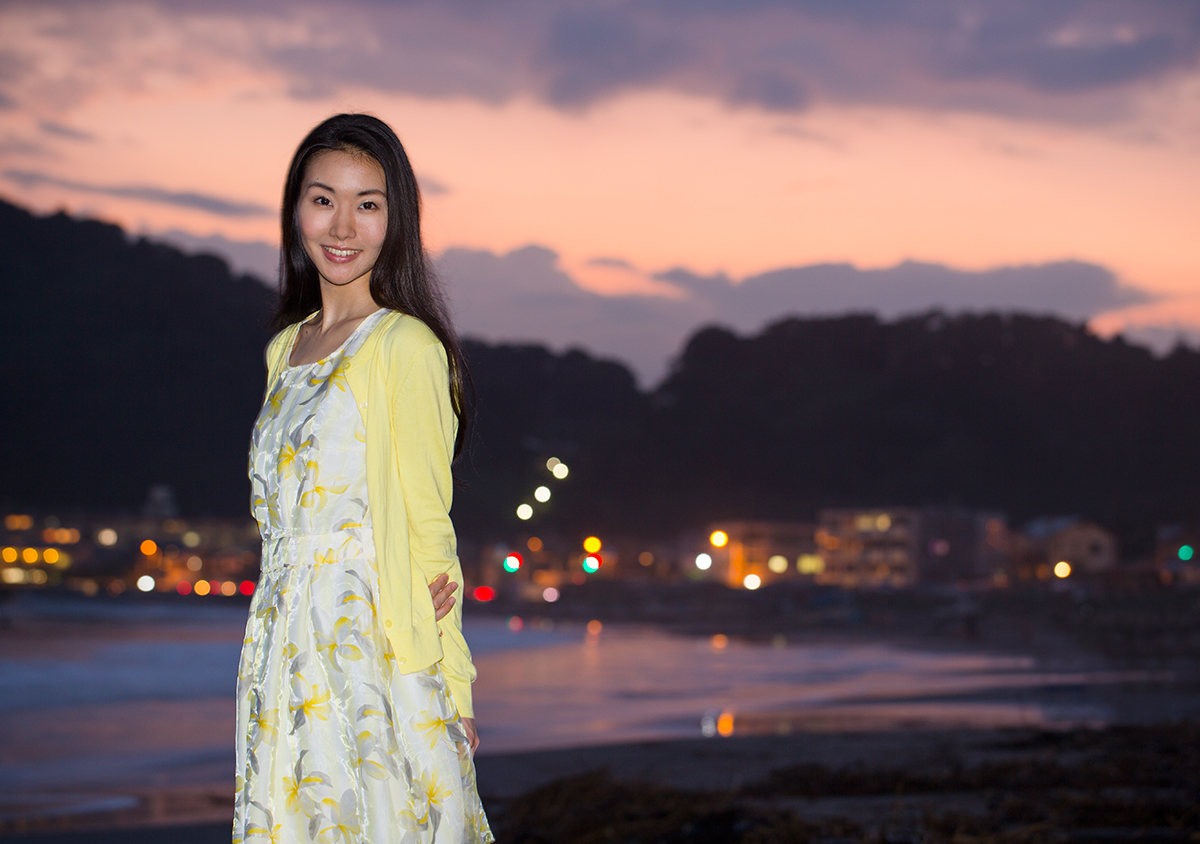
EOS 5D Mark III/ EF85mm f/1.2L USM/ FL: 85mm/ f/2.8/ 1/125 sec/ EV±0/ ISO 200/ WB: Auto
An essential item for portrait photography is a telephoto lens, which makes it a breeze to produce background bokeh. This enables you to photograph a person from a distance with ease, while also making it easy to create a large bokeh effect. If you are using an EOS camera with a full-frame sensor, use a lens in the range of 80mm to 100mm, whereas for EOS cameras with an APS-C sensor, use a 50mm to 60mm lens.
Additionally, do note that the telephoto end of a standard zoom lens for an APS-C camera is 55mm, or 88mm at 35mm film-equivalent. Start by composing images at the telephoto end of the standard zoom lens to get used to the sense of distance in portrait photography. If you have a scene with a wide open space behind the person, you will also be able to take shots with a very creamy bokeh effect.
EF85mm f/1.8 USM: A staple prime lens for shooting portraiture
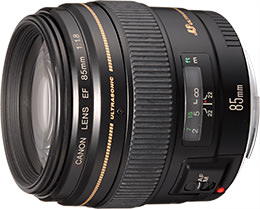
The EF85mm f/1.8 USM is a mid-telephoto lens with a very small f-number, or maximum aperture, of f/1.8. This is the perfect lens for portrait photography, as it enables you to compose a shot at a suitable distance from the subject, and can achieve large, creamy background bokeh effect as well.
Here are some more tips for shooting portraits:
Step by Step: How to Capture Dramatic Portraits Using Backlight from the Window
Controlling Light for Impressive Portrait Shots
Capturing Portraits with Slow Sync Flash
4 Tips for Happy Family Portraits
Receive the latest update on photography news, tips and tricks.
Be part of the SNAPSHOT Community.
Sign Up Now!




Join the Conversation