[Part 1] More about the EOS 7D Mark II – Concept
Beginner
Compared to its predecessors, many changes have been made to the EOS 7D Mark II,

- 0
- 0
- 0
Compared to its predecessors, many changes have been made to the EOS 7D Mark II,
Compared to its predecessors, many changes have been made to the EOS 7D Mark II, the first revamped model in five years. This article is an interview with the developers to learn more about the advancements made in the camera's functions and mechanisms, as well as to clarify some questions I had in mind. Part 1 focuses on the concept of the camera. (Reported by: Ryosuke Takahashi)
"Speedy EOS" that captures the decisive moment and "flagship APS-C model" that is equipped with an uncompromising level of basic performance.
With significant enhancements made to all the specs and shooting capability, including the maximum burst, the power of the EOS 7D Mark II is extremely close to that of the highest-end model, the EOS-1D X.
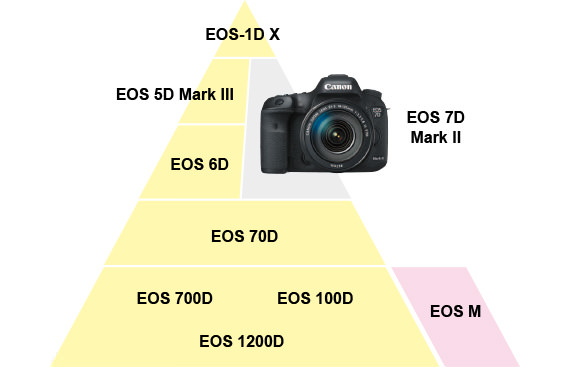
The main targets are advanced amateur users who are particular and passionate about photographic expression.
Besides the users of the EOS 7D, we are also expecting more users to switch from other models to the EOS 7D Mark II. We have also standardised aspects such as the GUI.
Of course, we are expecting professional photographers to use the EOS 7D Mark II as a sub camera.
Not only so, with the breathtaking telephoto effect and high perfection of the camera features, we anticipate that it will be employed as a main camera in a wider variety of scenes particularly among professionals who focus mainly on telephoto photography.
Photo by: Charlie Furusho
The EOS 7D Mark II excels in its basic performance, so it can demonstrate its power in a wide array of genres, but most of all in capturing moving subjects. Besides the different types of sports, the camera is also good for photographing wildlife or portrait subjects with movement. Of course, you can use it to capture landscapes too.
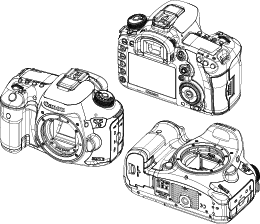
Based on the concept "to inherit the EOS 7D and make refinements", the EOS 7D Mark II takes after the "superfluid style" of the EOS 7D, while at the same time adopts a tighter shape to create a sharp and robust design. We also strived to enhance the hold of the grip as well as to achieve easy and speedy operation under all kinds of conditions.
Yes. With the advent of the EOS 7D Mark II, we now have a well-defined division with the EOS 5D Mark III: the EOS 7D Mark II for the APS-C format DSLRs, and the EOS 5D Mark III for the full-frame format.
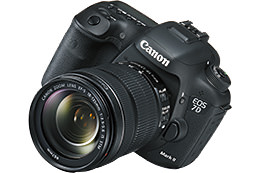
The EF-S18-135mm f/3.5-5.6 IS STM.
Taking into consideration that one of the mainstay features of the EOS 7D Mark II is its ability to capture moving subjects, we have chosen the EF-S18-135mm f/3.5-5.6 IS STM as the kit lens, which is characterised by the speedy and quiet AF operation. That being said, the performance of the camera can be maximised regardless of which EF lens you choose.

Born in Aichi in 1960, Takahashi started his freelance career in 1987 after working with an advertising photo studio and a publishing house. Photographing for major magazines, he has travelled to many parts of the world from his bases in Japan and China. Takahashi is a member of the Japan Professional Photographers Society (JPS).

A monthly magazine that believes that enjoyment of photography will increase the more one learns about camera functions. It delivers news on the latest cameras and features and regularly introduces various photography techniques.
Published by Impress Corporation

Join the Conversation