Why I shoot mostly 35mm
35mm: The most authentic angle of view to photograph documentary subjects
My shooting style mainly uses 35mm lenses. I now mostly use an EOS R series camera with the RF35mm f/1.8 Macro IS STM, but when I was using the EOS 5D series, my go-to lens was a EF35mm f/1.4 L lens. As a documentary photographer, I seek to present scenes in a way that looks natural and authentic. The 35mm angle of view allows me to capture distances and conversations with people just the way they are.
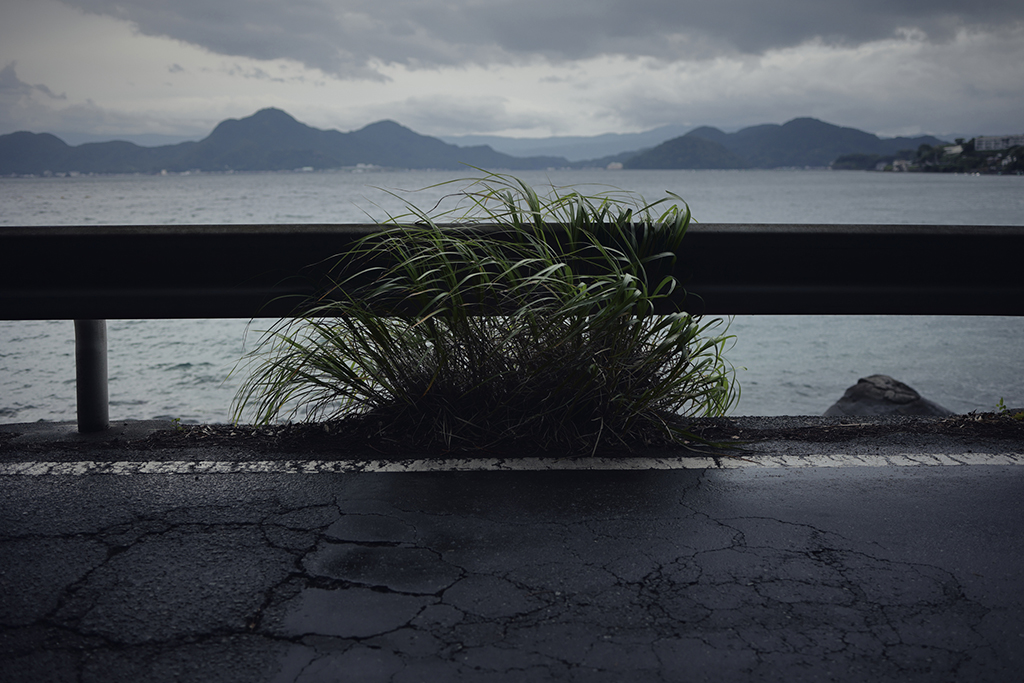
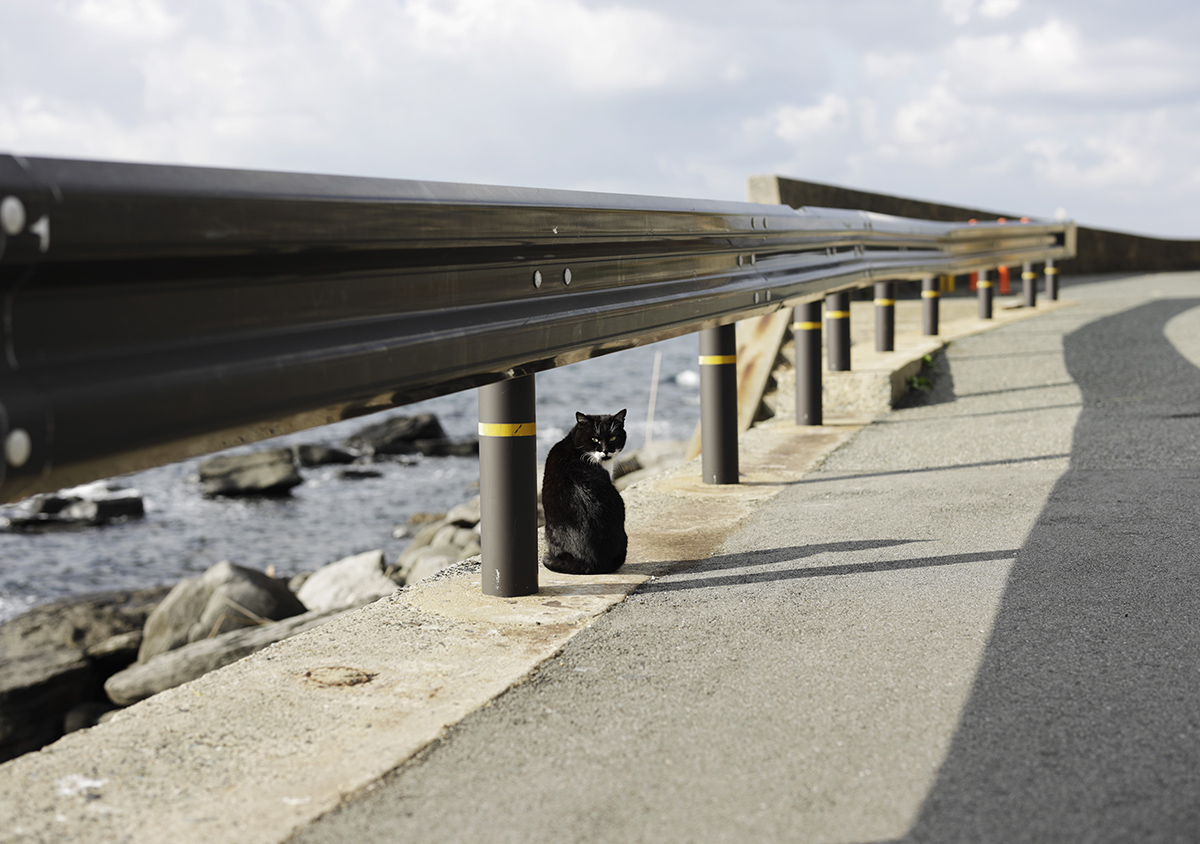
EOS R6 + RF35mm f/1.8 Macro IS STM/ Manual exposure (f/2.8, 1/1250 sec)/ ISO 200/ WB: Shade
The guard rails at the edge of a path behind weeds trailing in the wind. A prime lens encourages you to actively look for suitable photographic subjects. When you get used to it, you start being able to “see” the world around you with the same angle of view as the lens, which inspires more ideas for framing.
Find out more about how using a prime lens can inspire creativity in:
50mm Landscapes, My Style: The Lens that Inspires Adventure
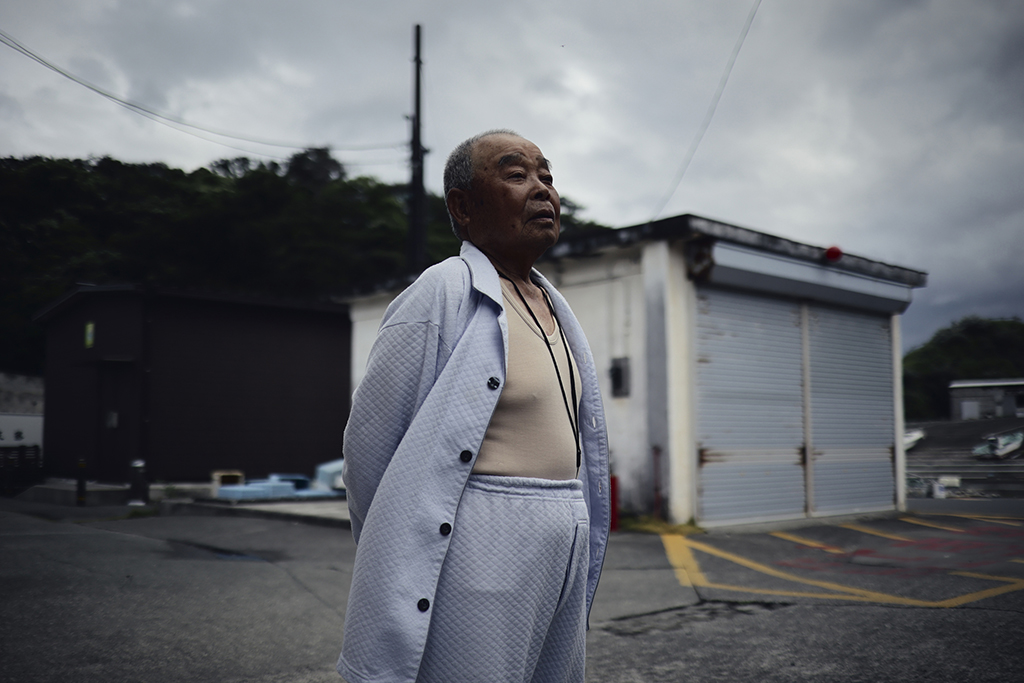
EOS R + RF35mm f/1.8 Macro IS STM/ Manual exposure (f/1.8, 1/8000 sec)/ ISO 200/ WB: Shade
I encountered this man at the harbour. The small, unobtrusive RF35mm f/1.8 Macro IS STM doesn’t look intimidating, allowing me to naturally snap a photo as we chatted. At f/1.8 on this lens, you still get decent bokeh even at 35mm, which makes it quite versatile. RF lenses are sharp in the in-focus areas even at maximum aperture, providing excellent reliability.
"Your lens choice influences your approach to subjects"
“The lens you choose influences how you approach the subject”
My preparation for each work trip starts with deciding on the lenses that I am going to bring besides the RF35mm f/1.8 Macro IS STM, which is always on my camera. That decision depends on what kind of trip it’s going to be.
The way I interact with subjects changes depending on the lens that I use, so I think about how I want to approach them. Do I want to be reacting to different subjects with the versatile RF28-70mm f/2L USM? Do I want to search for symbolic subjects with the RF50mm f/1.2L USM? Or do I want to use one of my Canon Sumire cinema prime lenses to carefully observe them?
Sumire prime lenses are for cinema cameras, so they come with the PL mount. I got the mount changed to an EF mount, which you can also do so at an authorised service facility. It is a manual focus lens, which can get inconvenient sometimes, but I like to use them for shoots that require the creation of careful, detailed works.
Of course, there are things that you also compromise on with your choice of lens. For example, with a manual focus lens like the Sumire lenses, you can’t expect to react quickly and create an image filled with a sense of speed!
My top 5 lenses and why I use them
My most-used lenses: Mostly 35mm, with other lenses to support
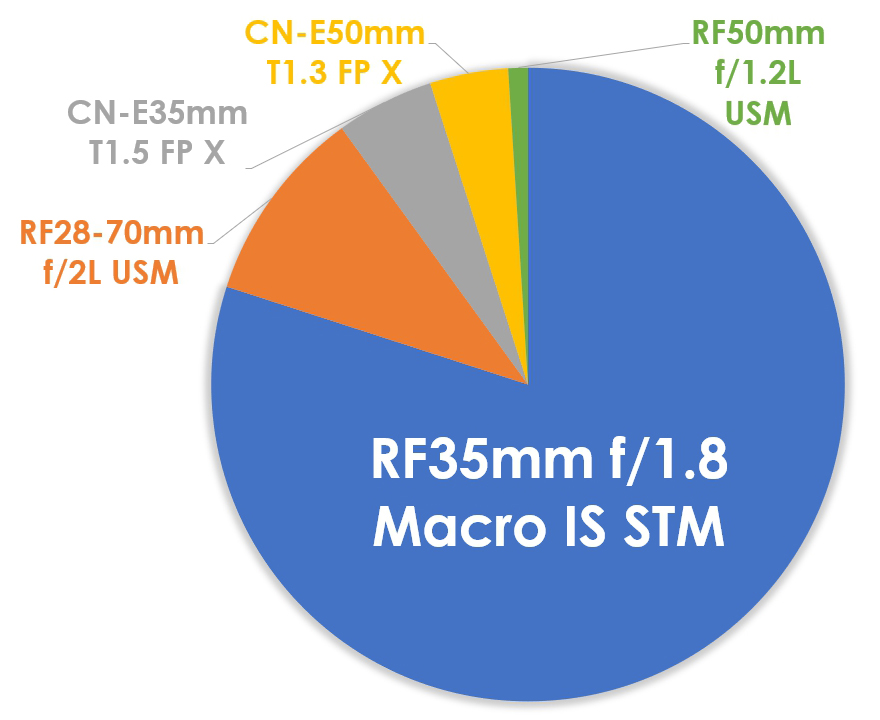
#1: RF35mm f/1.8 Macro IS STM – 80%
#2: RF28-70mm f/2L USM – 10%
#3: CN-E35mm T1.5 FP X – 5%
#4: CN-E50mm T1.3 FP X – 4%
#5: RF50mm f/1.2L USM – 1%
#1: RF35mm f/1.8 Macro IS STM –80% of the time
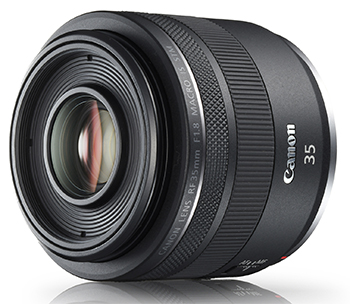
A 35mm lens is somewhat in-between categories. It doesn’t have the strong perspective exaggeration effect of a lens with a shorter focal length, and yet, it is capable of capturing a lot of context, which can make it hard to simplify compositions the way you would use a telephoto lens. But this “in-between” nature is also its strength. Working with it leads its user to pick up skills and learn a lot of things.
In addition to its beautiful rendering, the RF35mm f/1.8 Macro IS STM's macro shooting capability is another reason why it is a must-have for me.
#2: RF28-70mm f/2L USM – 10% of the time
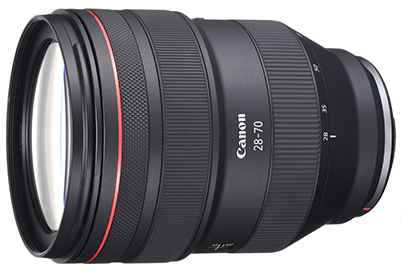
I chose the RF28-70mm f/2L USM because of its outstanding rendering capabilities, in particular its amazing resolution where fine lines are rendered in clear, sharp detail, and its superb performance in backlit conditions. This is the lens I use when I want viewers to observe the subject in detail. I feel that it brings out the best of the EOS R. I don’t zoom a lot with it; instead, I tend to use it at the 28mm end.
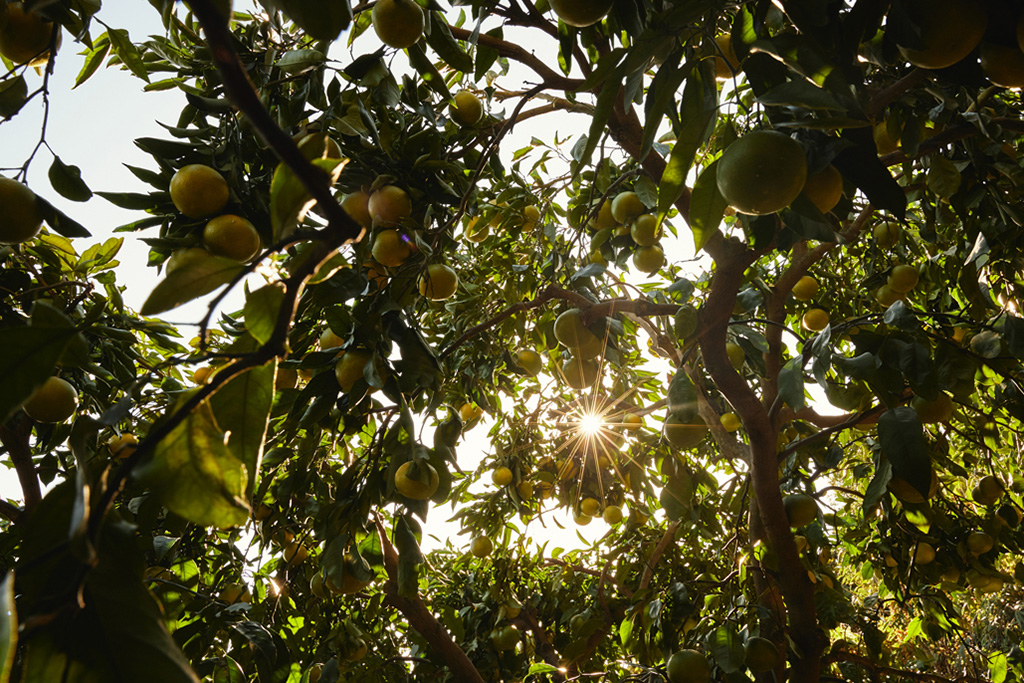
EOS R + RF28-70mm f/2L USM / FL: 28mm/ Manual exposure (f/13, 1/50 sec)/ ISO 400/ WB: Shade
Citrus trees heavy with fruit, shot looking upward. Even the finest parts of the tiny leaves have beautifully resolved lines, and the resulting image is flawless despite the backlight. The depictive prowess of this lens can be enough to create impactful, compelling images.
#3: CN-E35mm T1.5 FP X – 5% of the time
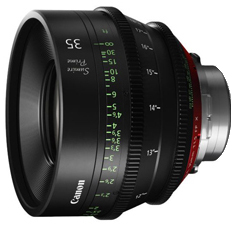
#4: CN-E50mm T1.3 FP X – 4% of the time
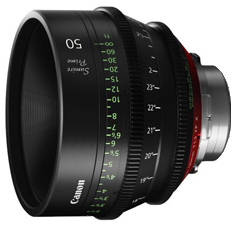
#3 and 4 are Canon Sumire Prime cinema lenses, which are designed to offer unique character. These lenses produce a gradual, smudge-like bokeh effect that reminds me of ink or watercolours seeping into paper, and such an effect is very rare on lenses nowadays. The fact that they are purely manual focus forces you to think carefully about which part of the subject you want to place the focus on. I choose them when I want to create distinctive images that bear my own brand of attention to detail.
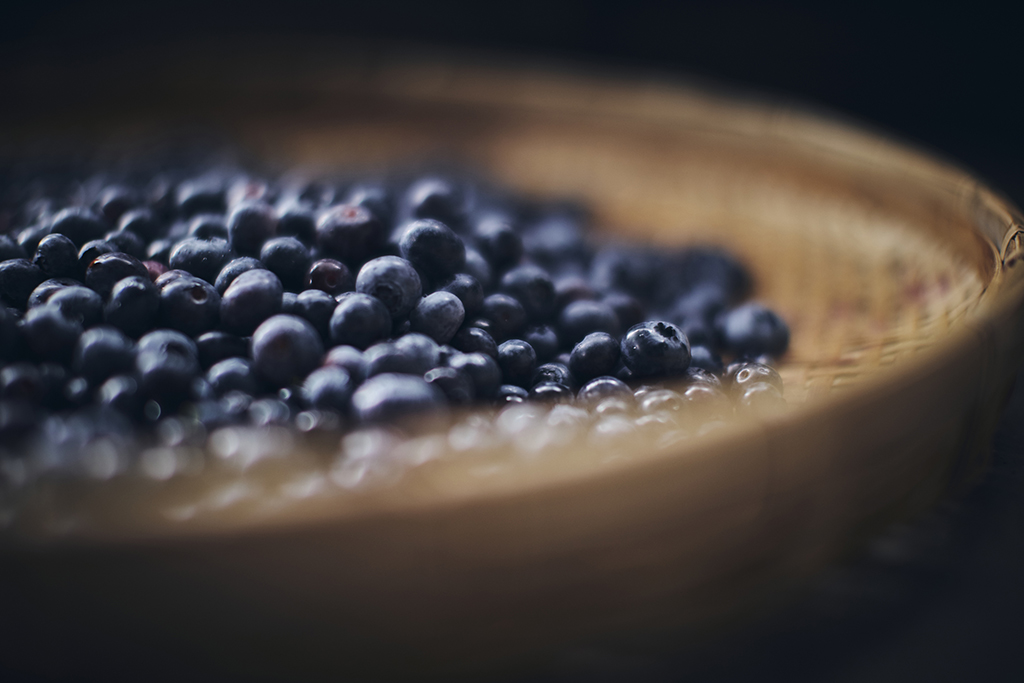
EOS R + CN-E35mm T1.5 FP X/ Manual exposure (T1.5, 1/125 sec)/ ISO 400/ WB: Shade
I wanted to showcase the radiant beauty of these freshly picked blueberries. The CN-E35mm T1.5 FP X blurs the highlight portions in its unique smudge-like way, making the blueberries look divine. Another thing that is unique is the soft rendering of the out of focus areas that doesn’t affect the thin in-focus area.
#5: RF50mm f/1.2L USM – 1% of the time
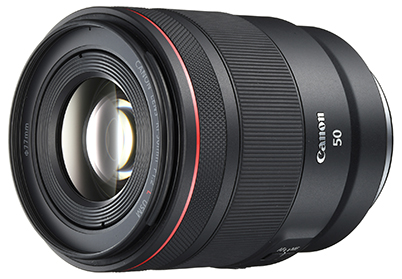
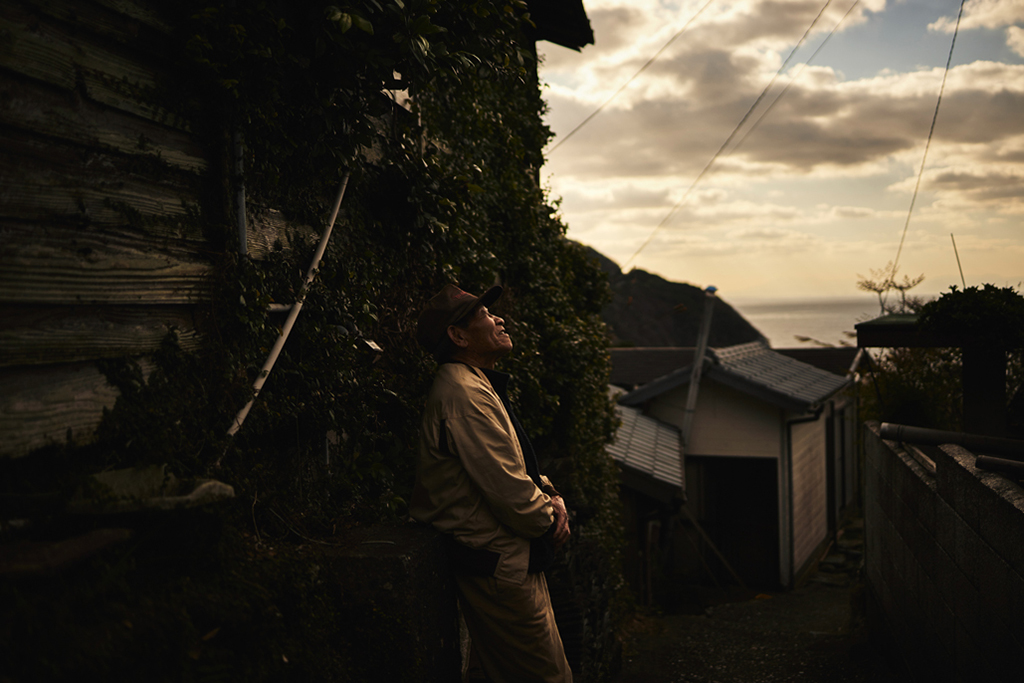
I shoot with a 50mm prime lens when I have very clear ideas about what I want to show and how I want to show it. The RF50mm f/1.2L USM renders lines in the in-focus area finely and beautifully from all the way from maximum aperture.
---
What lenses do you use the most and when do you decide to use which? Let us know in the comments below!
Like Kentaro Kumon’s style? He deconstructs how he used natural light to add drama to an environmental portrait in:
Handling Natural Light: Adding Impact to an Environmental Portrait
Inspired to take your 35mm or 50mm prime lens on a walk? Here are two exercises you can try to make things more interesting:
Rediscovering Centre Composition: 2 Exercises For Your Next Photowalk
More storytelling inspirations in:
Telling Better Stories with Photojournalist Jilson Tiu
Roberto Valenzuela: What It Takes To Be a Master Wedding Storyteller
Also see:
50mm Portraits, My Style: Creating A Picture of a Memory
Receive the latest update on photography news, tips and tricks.
Be part of the SNAPSHOT Community.
Sign Up Now!


Join the Conversation