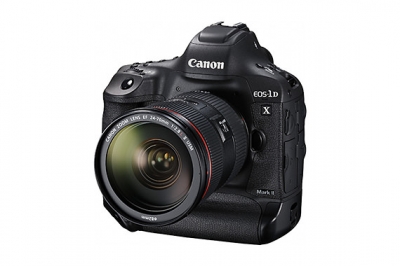
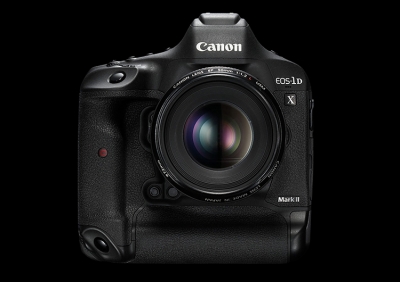
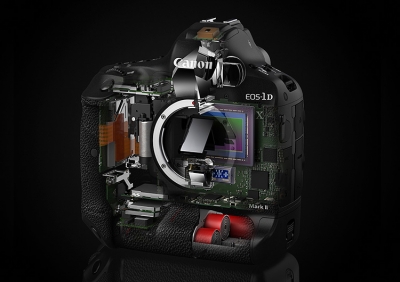
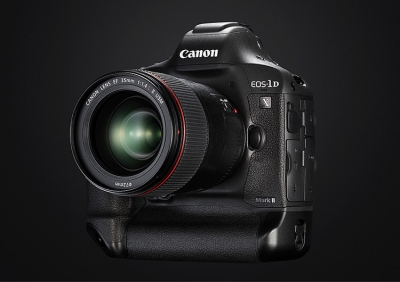
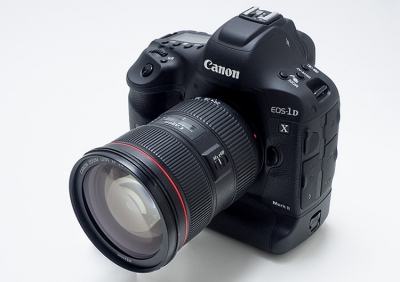
It was an honour when Canon placed an EOS-1D X Mark II in my hands and gave me the opportunity to shoot images to promote its launch in April 2016. I tested the camera under extreme conditions at various locations: In Hokkaido’s freezing waters (around minus 1.8 degrees) during the winter season; shooting thresher sharks under dim morning lights at Malapascua; balancing contrasts of mantas against bright sunbursts at Hanifaru Bay; and stacking on macro diopters to test the autofocus on balloon fish hatchlings in Takeno that were no longer then 2mm. In every aspect, the EOS-1D X Mark II outperformed its predecessor. It is now my camera of choice. (Images by William Tan)
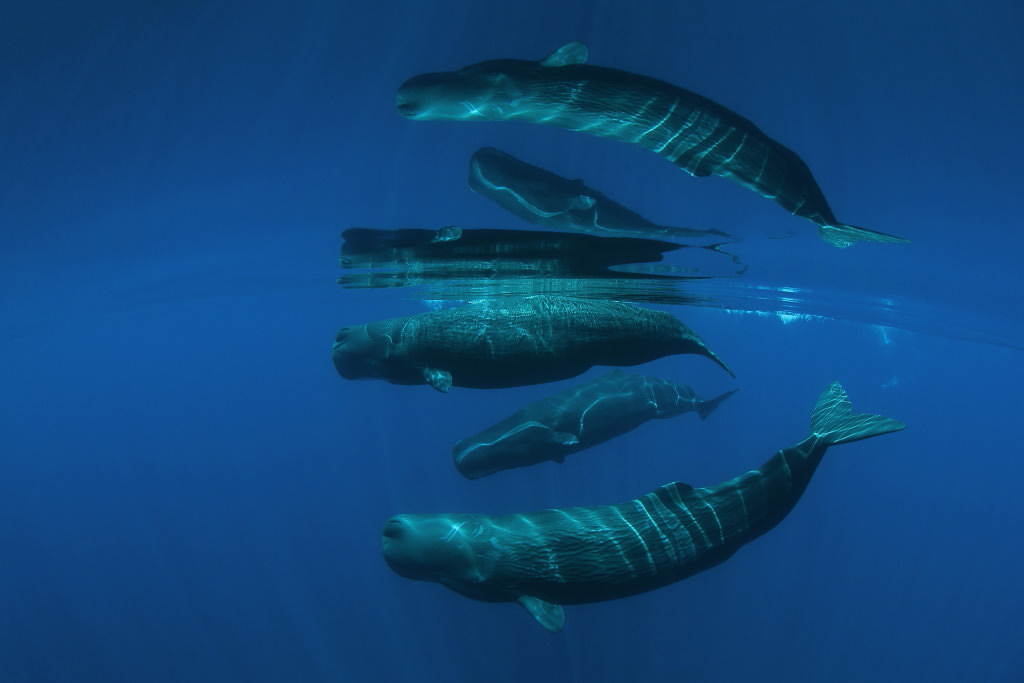
Image 1: Taken on Canon EOS-1D X Mark II with EF8-15mm f/4L Fisheye USM lens
Settings: Shutter speed 1/320, Aperture: f/8, ISO: 500, White Balance: Auto
Image 1: Sperm Whales (Physeter Macrocephalus)
Shot at: Trincomalee, Sri Lanka
In a situation where you have a photographer and three large sperm whales all swimming at the surface, water movements can make getting a perfect reflection of your subjects rather challenging. Fortunately, the EOS-1D X Mark II is capable of bursting at 14 frames per second (with AF/AE tracking) in high-speed continuous shooting mode.
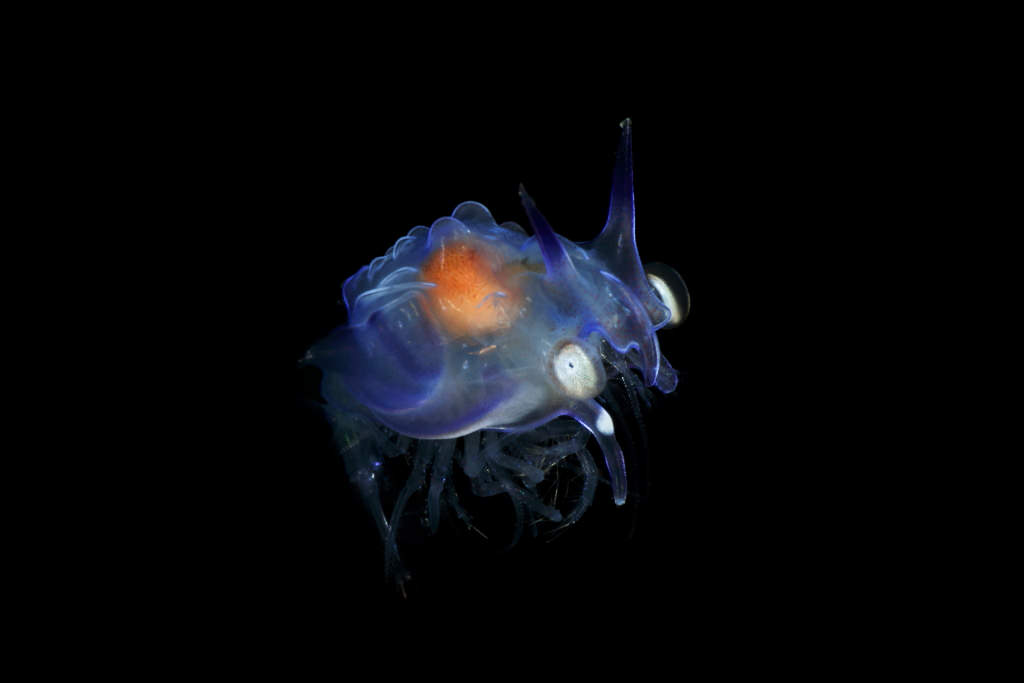
Image 2: Taken on Canon EOS-1D X Mark II with EF100mm f/2.8 Macro USM lens
Settings: Shutter speed 1/250, Aperture: f/22, ISO: 100, White Balance: Auto
Image 2: Shrimp Larva (Aristeidae)
Shot at: Kenting, Taiwan
The super-fast auto focusing system in the EOS-1D X Mark II is able to accurately track tiny and mobile planktonic subjects through a 100mm macro lens. The amount of details the new sensor captures allows you to see delicate textures in the almost transparent exoskeleton of this shrimp larva. The EOS-1D X Mark II's optical (pentaprism) viewfinder provides a bigger and brighter view that is especially useful when filming these fast 3mm-sized creatures.
Specifications
- 20.2-megapixel full-frame CMOS sensor
- Dual DIGIC 6+ image processors
- ISO speeds of up to 409,600
- 4K 60p/50p with 4K frame grab
- Dual Pixel CMOS AF
- 14 fps shooting and AF sensor with 61 f/8 points
For more information on the EOS-1D X Mark II’s key features and technologies, check out:
Interview with Developers: Part 1, Part 2, Part 3
EOS-1D X Mark II: Review of Functions and External Design
EOS-1D X Mark II – In-camera Lens Optimization for High Quality Images
For reviews on the EOS-1D X Mark II’s movie-shooting features:
EOS-1D X Mark II: Slow Motion Playback of Full HD 100p/120p Movies Captures Fleeting Moments
EOS-1D X Mark II: 4K Frame Grab Hands-on Review and Tips
Galleries and first-hand use accounts from other professional photographers:
Let Your Photography Take Flight with the EOS-1D X Mark II
Why Professional Photographers Use the EOS-1D X Mark II
Receive the latest update on photography news, tips and tricks.
Be part of the SNAPSHOT Community.
Sign Up Now!
.png.webp)