Compositions Exuding a Sense of Dimensionality and Depth
Beginner
How do we capture the dimensionality that we see through our eyes in the small

- 0
- 0
- 0
How do we capture the dimensionality that we see through our eyes in the small
How do we capture the dimensionality that we see through our eyes in the small rectangular space of a photo? How can we produce shots that exude a remarkable sense of depth? To do so, a few elements need to be considered. In this article, let's take a look at what these elements are. (Written by: Tatsuya Tanaka)
Photographs are a form of expression on a two-dimensional plane. Therefore, in order to bring out dimensionality or depth in the image, it is necessary to pay attention to the composition as well as angle when capturing a shot. For example, a three-dimensional object made up of straight lines, such as a bridge or a building, may appear like a two-dimensional plane when it is captured from the front. However, if you change the angle slightly, the image will look three-dimensional when the objects in the background come into view. Similarly, if there are objects in the foreground and background for comparison, the difference in their size becomes noticeable, thereby bringing out a sense of distance and producing a sense of depth in the image. Also crucial point is the brightness of the colours. Even when you have a single object, the difference in brightness from the front to the back also helps to create dimensionality. This is illustrated in the photo of the ferns below. It is through how the subject appears and the difference in colours that help to create a three-dimensional effect in a two-dimensional photo.
The most effective composition techniques would be the diagonal composition and one that guides the attention of the viewer. You can also bring out dimensionality by coupling these compositions with changes in the aperture value to blur the foreground or background significantly.
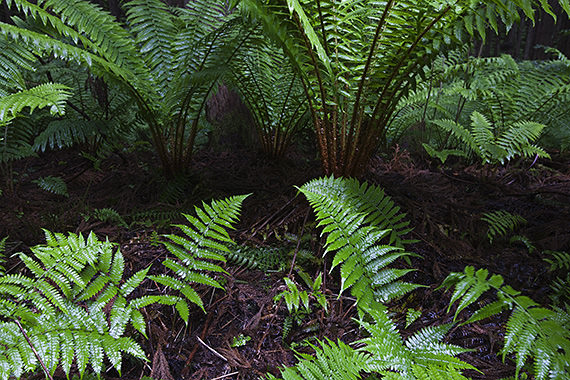
EOS-1Ds Mark III/ EF16-35mm f/2.8L USM/ FL: 28mm/ Aperture-priority AE (0.8 sec., f/11)/ ISO 160/ WB: Auto
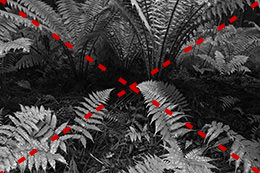
A shot of ferns captured from a low angle using a wide-angle zoom. The main fern appears most deformed, while objects further in the distance appear smaller, which bring out dimensionality and depth, forming a composition that guides the attention of the viewer. At the same time, choosing a location that is dark at the centre creates contrast in the brightness. This, coupled with the cross created by the diagonal composition of the fern leaves, produces a three-dimensional effect as if the centre of the image was protruding.
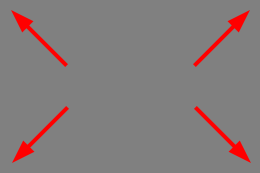
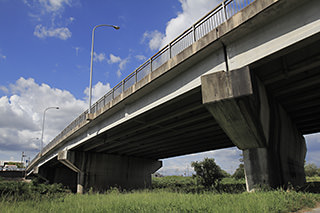
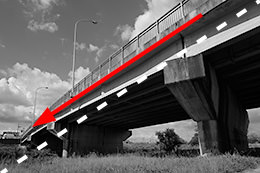
I placed the land bridge along the diagonal line in the composition and took a shot from a low angle to make the foreground and background look remarkably different. With a diagonal composition, objects in the foreground appear large while those in the background look small, thereby exuding a sense of dimensionality and depth.
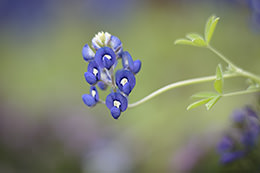
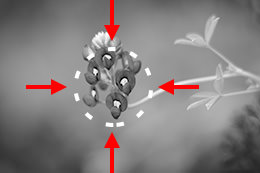
"Bokeh" refers to an effect where the image appears blurrier as you move further away from the point in focus. This effect helps to guide the viewer's attention to the point in focus, with the defocused surroundings creating a sense of dimensionality.

Born in 1956, Tanaka is one of the rare photographers who produce works across a wide variety of genres from an original perspective. These genres range from objects in our daily lives, such as insects and flowers, to landscapes, skyscapes, and celestial bodies. Besides photography, Tanaka has also developed his own approach in post processes including retouch and printing.

Join the Conversation